
If you’re like the average chronic illness patient, you’ve found yourself in the ER unprepared more than once. While being bored out of your mind is no picnic, it’s even worse if you find yourself without your medication or insurance information. To prevent situations like this from happening in the future, you can spend a few hours putting together an emergency go-bag that sits in the entrance to your home, ready to go at a moment’s notice.
Your go-bag should be packed full of essentials, but may also include a list of items to grab at the last minute. The latter may include items you use more regularly that wouldn’t be difficult to grab on the way out the door. Below, I’ve compiled a list of items to consider putting in a go-bag of your own, as well as my thoughts on why I personally recommend them (or don’t).
Wallet and ID
Don’t go forgetting this, or you may not be able to get the care you need.
Your Medical Information
I recommend keeping an A5 size binder (the zip-up kind) in your bag that includes all the information you’re invariably going to forget when you’re in a haze of brain fog at the hospital. It should be small, so as not to weigh down your bag, and should be easy to hand off to a caregiver when needed. You could also keep something similar on your phone or iPad.

Here’s what you might include in it:
- Contact information for doctors and emergency contacts
- Insurance card
- Basic personal information (i.e. birth date, address)
- Past medical history, including:
- Diagnoses (this is especially important if you have a lot of them) and when they were given.
- Blood type
- Past surgeries, injuries, and any other issues not explained by your diagnoses
- Family health history (if known)
- Vaccination history
- List of current medications (including supplements)
- Allergies (especially to medication)
- Blank note pages and a pen (to write down information given to you by doctors)
Medications & Medical Supplies/Equipment You Rely on
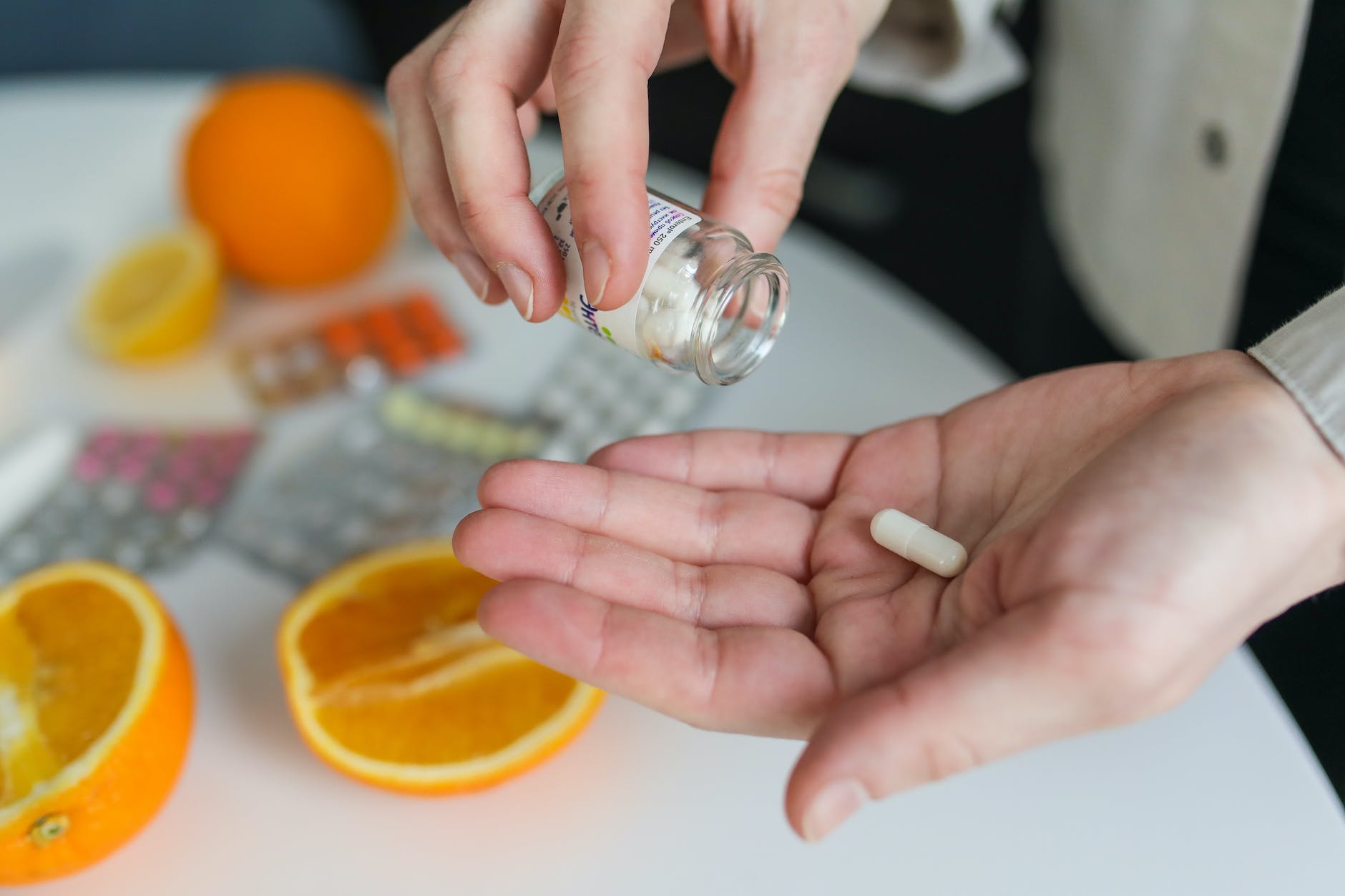
It’s ideal not to check into the ER without enough meds to get me through a potential hospital stay of several days. For a longer stay, you can trust a caregiver to retrieve additional medications from home.
Other medical supplies will vary depending on your unique needs. For Instance, I’ve heard horror stories from spinal cord injury survivors getting caught without their catheters, and while I don’t know what that’s like, I know it sucks to go without something you need. If you’re someone with endometriosis and PCOS, you might want to include plenty of period supplies as well as an electric heating pad and TENS unit. To combat Mass Cell Activation triggers, you might want to include that one type of soap that doesn’t give you anaphylaxis, or a dust mask to protect you from chemical cleaners.
This should also go without saying, but DON’T FORGET YOUR MOBILITY AIDS!
Water & Snacks
Skipping meals and water will likely flare up your symptoms even worse, so it’s worth keeping some non-perishables on tap. Plus, you shouldn’t be taking medications on an empty stomach. One nice way to decrease the number of items you need to grab on the way out is to also include several unopened bottles of water.

And if an ER you go to has a sign up saying “no food or drink,” that’s an unreasonable access issue. It’s not like the staff is going to be providing you with food and water at regular intervals (or without a direct request from you). As long as you’re not eating anything super messy, there shouldn’t be a problem.
Sensory Cancellation
Most spoonies struggle with loud, bright environments, and this is especially true when you’re in the hospital dealing with heightened symptoms. I recommend:
- Loop earplugs
- Noise-canceling headphones that double for playing music
- Irlen’s lenses, or sunglasses and/or a ball cap (for light sensitivity)

Phone Charger
There’s not much to say here, but I do recommend picking a 6-10 foot charging cable over a short one. Often, you’ll find hospital outlets are ridiculously far away from beds and seating.
Comfy Change of Clothes
If you do end up being admitted to the hospital, you will want them. Even if the clothes you’re wearing are perfectly fine, it’s nice to have a change of clothes.

When you pick these items, think about your comfort in terms of:
- Temperature (both hot and cold)
- Sensory overload
- Ease of taking on and off
- Bathing (I like to bring flip-flops)
- How heavy the items will be in your bag
For myself, I might include clean underwear, leggings or Thai harem pants, a tee shirt, a cozy hoodie, socks, a scrunchie, and slip-on shoes.
Blanket from Home

Hospital temperatures tend either to be too cold for me or too hot. And who likes those scratchy hospital blankets anyways? To check multiple boxes with one item, go for a lightweight temperature-regulating blanket.
You can also add a small comfort item (if you want). For many spoonies, this is a stuffed animal, but it can be whatever you want.
Personal Hygiene Supplies
If you’re admitted to the hospital, it’s really nice to be able to bathe, and even if you’re not able to—a stick of deodorant and chapstick will do wonders for how you feel in your body.

Entertainment
Your mental health while you’re at the hospital matters, and if being bored is going to play up your emotional symptoms, it’s helpful to have a distraction. This should be something small and portable, but can be totally personalized to your tastes.

Some people include playing cards or banana grams. Others go for a portable game consol, or, on the worst days, a podcast on your phone.
That’s the list! Happy packing, and I hope to God you get to stay out of the hospital for a long while!

About the author
Alexandra Malouf is a writer and multi-media artist living in Texas with her husband and fellow poet, Danny Daw. In her spare time, she enjoys exploring new creative skills and getting nerdy about history.
About the blog
Disability University is committed to providing accessibility resources, self-advocacy tips, chronic illness lifestyle posts, and much more.
Subscribe to my email newsletter full of disabled life tips.
Legal Disclaimer: The information presented on this blog is written from a patient-to-patient perspective, not by a doctor or medical professional. It should not be interpreted as medical advice or substituted for medical treatment. The author is not responsible for health or financial outcomes.
 Alexandra Malouf
You must be logged in to post a comment.