
Researching to understand your health can be intimidating. In many ways, it’s not dissimilar to getting an undergraduate degree from a university. As in college, you learn an entirely new lingo for understanding a specific subject in depth. However, the consequences of misunderstanding can be much direr than a bad grade. Failing to understand a complex treatment regimen can (at best) aggravate your condition, but don’t let that scare you. Remember, research can empower you and lead you toward a better quality of life.
Why is self-research important in the first place?
It may be easy to think you can just let your doctor handle the complex stuff, but here are a few reasons to consider taking a more hands-on approach.
1
Your doctor doesn’t know everything.
Contrary to what TV medical dramas portray, your doctor isn’t a walking encyclopedia who is an expert on every condition in the books. The fact is, your doctor will not catch everything. Some symptoms will only be noticeable to you because you’re the only one living in your body. Other symptoms may just not be on your doctor’s radar because you don’t fit the profile of the majority of patients with your condition. You might be an anomaly in their experience. Trust your body and dig further.
2
The more you know about your condition the better equipped you are to live with it.
Put frankly, most doctors don’t have time to teach you how to live with a chronic illness. This is in large part due to all the charts and paperwork they’re required to fill out every time they visit with you. And some doctors weren’t even taught that educating patients is something they should consider. That said, relying on doctors as your sole source of information is not going to get you very far. It’s likely that the research you do outside the clinic will be far more beneficial to your daily life. Think of your diagnosis as a jumping-off point.
3
Speaking your doctor’s language matters.
Doctors will take you more seriously when you ask better questions and speak their language to some degree. Knowing what the medical world is saying about your condition will enable you to ask better questions and clarify confusing information when you visit the doctor. Additionally, if a doctor can see that you understand what they’re saying and are asking good questions, they’re more likely to both give you information and listen to you when you bring up a problem.
4
Research leads to appropriate diagnoses and treatment.
Without a diagnosis, you often won’t get the necessary treatment for your condition. And a surprising amount of the time, a proper diagnosis is given only after a patient comes to a doctor with research and says overtly, “I think X is what I have. Will you please check?” Endometriosis, for instance, is diagnosed an average of 7-10 years after a person begins seeking a diagnosis. Most patients have to fight for that diagnosis, and by the time they receive it, the disease has already caused permanent damage.
How to do your own medical research:
The first thing to know is that there are many different types of sources, each useful for different purposes. Some may not be appropriate for certain uses, while others may have surprising uses that you might not have considered. Below, I’ve listed sources types in order from easiest to most difficult.
Videos & Blog Posts
While videos and blogs aren’t going to provide consistently reliable information, they do have their benefits. They tend to work as great jumping-off points because they’re the least overwhelming to consume. If you want the introduction-for-noobs explanation of your condition, hearing other patients talk about it is often your best bet, but it shouldn’t be where your research ends.
A second way that videos and blog posts tend to be useful is in providing lifestyle tips and hacks for living with your condition. These are things that you’d otherwise only come by through hard experience, but luckily, there are other warriors out there who are willing to save you those lessons.
For the same purpose, I also recommend sites like Stuff That Works, which pools together patient experiences to identify what treatments most people have found effective.
Dictionaries & Medical References
These are great for learning new vocabulary relevant to your condition, and diving just a little deeper into the details. It’s best to rely on medical references that are peer-reviewed or run by doctors and official medical associations. See my Herbal and Plant Medicine Guide for tips on how to identify reliable medical references.
Some medical references will even tell you exactly which symptoms always occur and which only occur sometimes in your condition. Others will allow you to check for known interactions between drugs (spoilers: doctors don’t always know these off the top of their heads, so you really should be checking it yourself every time you start a new medication or supplement).
Scholarly Research & Peer-Reviewed Articles
These are your sources that are going to be backed by scientific evidence and are great for showing your doctor in cases where you’re a medical anomaly or rare case. They can be difficult to read, so I don’t recommend jumping into them without supplemental reading of easier sources. If you read only articles, you’ll just get overwhelmed, and that’s likely to scare you out of invaluable inquiry.
However, once you’re comfortable with most of the common lingo used to describe your illness, it can give you some extremely useful information.
Starting out, I recommend not trying to read and understand the entire article but looking primarily at the abstract and conclusions sections. These provide useful summaries of the main takeaways.
For additional tips
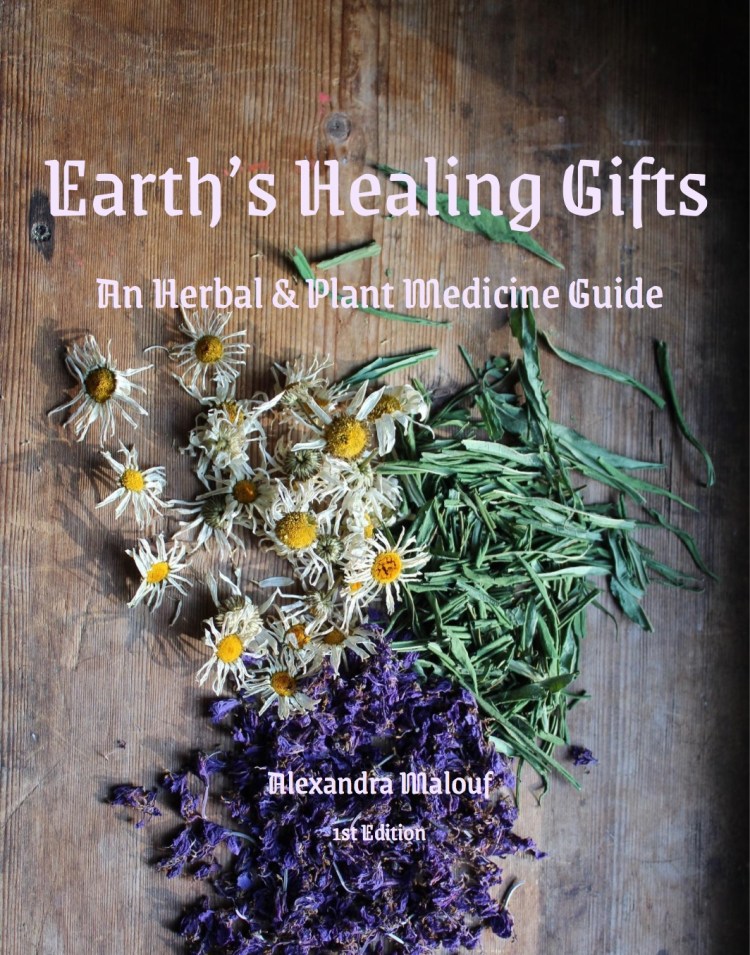
See my Herbal & Plant Medicine Guide. In it, you’ll find:
- instructions for evaluating sources & identifying the best ones
- a time-saving list of tried & true sources
- symptom-by-symptom remedies to try at home
- questions to ask when judging the safety of remedies, medications & supplements
You can also read tips for medical research by viewing my other posts on the topic.

About the author
Alexandra Malouf is a writer and multi-media artist living in Texas with her husband and fellow poet, Danny Daw. In her spare time, she enjoys exploring new creative skills and getting nerdy about history.
About the blog
Disability University is committed to providing accessibility resources, self-advocacy tips, chronic illness lifestyle posts, and much more.
Subscribe to my email newsletter full of disabled life tips.
Legal Disclaimer: The information presented on this blog is written from a patient-to-patient perspective, not by a doctor or medical professional. It should not be interpreted as medical advice or substituted for medical treatment. The author is not responsible for health or financial outcomes.
 Alexandra Malouf
You must be logged in to post a comment.