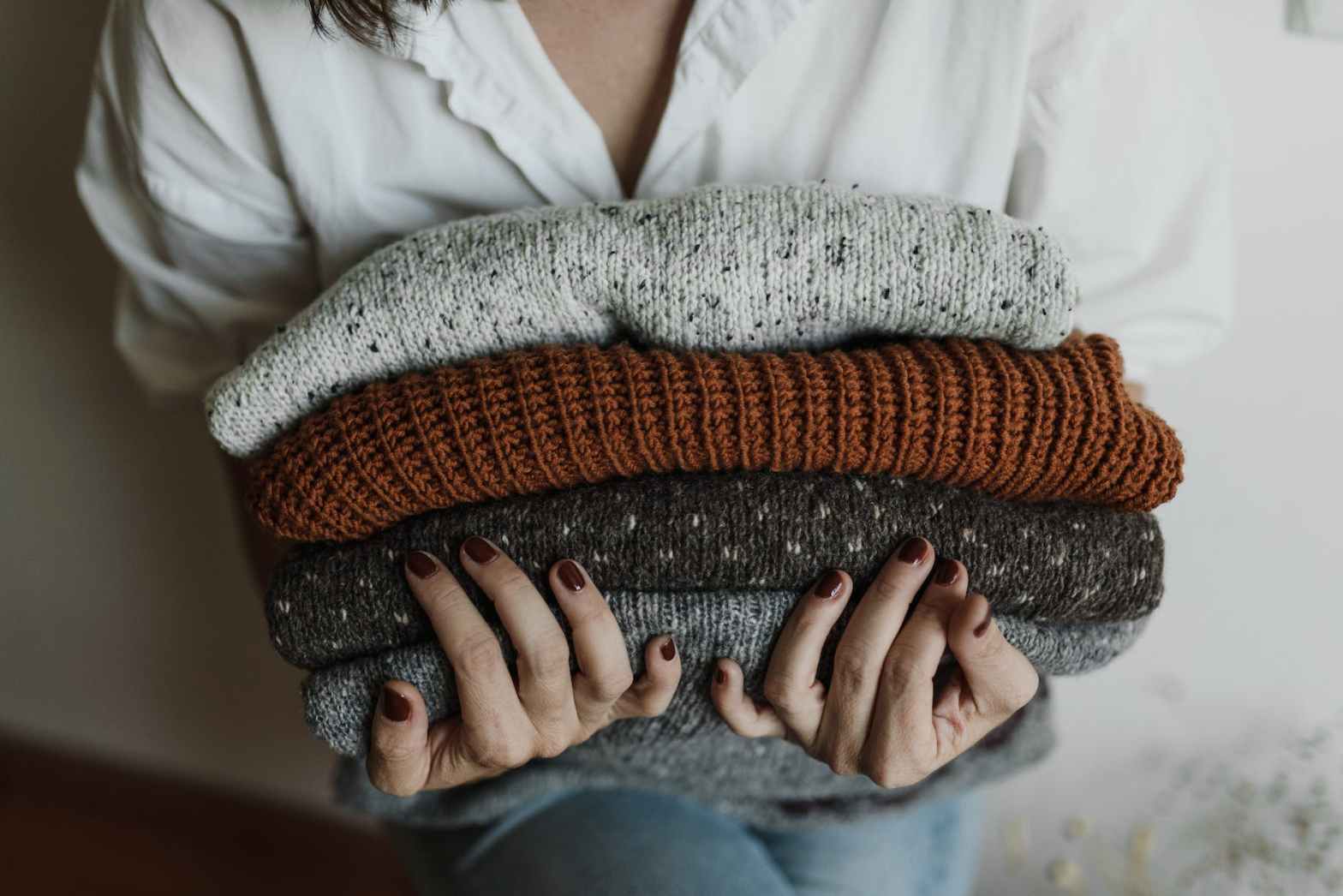
Everything I can tell you about making your fashion easier and more fly when you have a disability is right here in this post.
Youtube Playlist
Dexterity Hacks
Closures
- Magnetic buttons are the easiest option out there but rarer to find.
- Snaps are common and easier than buttons.
- Add key rings to zippers to make them easier to grip.
- DIY stick-on velcro (sold at fabric stores).
- DIY Magnetic clasps for jewelry (sold at hobby stores).
Periods & Bladder Leakage
- If you have limited fine motor ability reusable period underwear may be easier to maneuver than a pad.
- Menstrual discs (easier to maneuver than a period cup)
- Dark colors hide leaks better.
Tops
- Loose knit tops are easiest to put on yourself.
- Open sweaters without buttons or zips are ideal if you struggle with closures or lifting your arms over your head.
Fabrics & Friction
- If you have trouble adjusting yourself or have limited sensation in any part of your body, you want to choose fabrics that are less likely to create friction or discomfort.
- Remove tags and extra buttons.
Adaptive Brands
- Adaptive clothing brands design alternative clothing for people with a range of disabilities. I’ve included a list of adaptive brands at the bottom of the page.
Pants & Shorts
- Maternity pants and jeggings are easy to pull on, and the waistband is less restrictive on abdominal pain.
- Use hangers or clothing loops to help pull up pants
- Pants with zipper or velcro openings at the bottom can make them easier to get into.
Dresses & Skirts
- Dresses without buttons or zips that stretch and can be pulled over the head are the easiest to put on.
- Skirts and dresses can be easier for using the bathroom, as well as easier to put on if you can’t bend over or stand up.
Wheelchair Hacks
While these hacks are tailored for wheelchair users, they are also applicable to people with chronic pain, fatigue & a wide array of other disabilities.
Staying Warm
- Longer jackets (thigh length) will keep more of your body warm.
- Hats. You lose the majority of your body heat through your head.
- Leg warmers (you can buy these from ballet brands and wear them over leggings).
- Many wheelchair users with sensitive feet love tall Ugg boots.
- Layer everything. You can remove a layer if you’re too hot, and multiple layers add better insulation than one warm coat. Add fleece-lined leggings/tights and long-sleeved undershirts under everything.
- Chunky scarves, turtleneck sweaters, and high necklines.
- Wool will keep you warmer and drier than many other materials, including modern athletic fabrics.
- Grippy gloves.
- Wheelchair rim covers will keep your hands warmer.
- Hand warmers in your shoes.
- Put an extra raincoat over your legs to keep your lap dry in wet weather. You can also do this with a down coat for warmth.
Skin & Friction
- If you have trouble adjusting yourself or have limited sensation in any part of your body, you want to choose clothes that are less likely to create friction or discomfort.
- Remove tags and extra buttons on the inside of pants.
- Avoid pants that have large buttons or zippers on the bottom.
- Also consider the tightness of garments, including socks & waistbands, which can also cause pressure sores.
- If you experience allodynia or contact-related pain, soft fabrics are least likely to aggravate the pain.
Shirts
- Use safety pins to keep your shirt from riding up when tucked in. You can also do this by adding buttons and loops to the back of your clothes.
- Sleeves that fit close to your arm are less likely to catch in your wheels. Rolling sleeves up slightly or opting for 3/4 length sleeves can also help with this.
- Looser shirts will best hide skin rolls from slouching when you sit. You can also hide this by wearing a hoodie or shirt tied around your waist.
- The wider the neck of your shirt, the more likely it is to fall off the shoulder as you wheel.
- Make sure to fit your shirts to your shoulder-width so that seams don’t press wrong on your shoulder nerves when you wheel.
Jackets
- For a more flattering look, choose jackets and coats that are cropped at the waist, or ask a friend to help you crop them yourself.
- Many manual wheelchair users prefer vests to conventional coats because they’re less restrictive.
Periods & Bladder Leakage
- Reusable period underwear are a great protectant.
- Menstrual discs (easier to maneuver than a period cup).
- Darker colors hide leaks best.
Pants
- Maternity pants are more comfy & covering to be seated in than jeans.
- They also make adaptive pants that are higher in the back (because pants slide down in the back when you’re seated).
- Looser fitting pants with elastic waistbands are easiest to pull on while seated. They also tend to be the most comfortable & flattering.
- Tapered leg pants will make your legs look longer to counteract the natural shortening illusion you get when seated.
- Higher waisted jeans are more comfortable and flattering when seated all day.
Shorts
- If your mini shorts are riding up and making you look like you’re not wearing anything below your shirt, try sizing up.
- If you pick high-waisted shorts, people will see more of them.
Skirts
- To keep skirts from blowing up and exposing your underwear when it’s windy, you can A). opt for heavier fabrics, B). choose pencil skirts and/or C). wear yoga shorts or boyshort underwear underneath.
- Often, skirts are made longer in the back, and you can get away with wearing skirts backwards for an extra inch of length.
- IZ Keep Your Knees Together Band
What To Wear With Braces, Stomas, Ports & More
It’s always wise to try on any clothes you’re thinking of purchasing beforehand to make sure that it won’t clash with your braces or medical devices.
Stomas & Feeding Tubes
These tips also work well for abdominal surgeries and pain.
- High-waisted everything: underwear, skirts & pants, swimsuits etc. Depending on where your stoma is, you may also prefer mid-rise.
- If you have a naturally long waist and struggle to find high-waisted garments that fit, you can opt for body suits, overalls, and dresses.
- Leggings with baggy or peplum tops.
- Loose-fitting pants.
- Maternity pants or belts.
- Support vests, belts, and bands (keep something under the belt to protect your skin from friction sores).
- Stoma Guard accessories.
- Some people prefer to wear their stoma bags on the outside of their pants with a cover. You can even match the color of your stoma cover to your pants. If you want to wear your stoma on the outside of your clothes but need to tuck in your shirt, you can tuck your shirt around your stoma.
- You can tie a shirt or jacket around your waist to distract from your stoma or tube.
Ports
- While recovering, front-opening shirts and/or robes are your friend.
- High-collared shirts will protect and cover your port.
- Scarves will do the same.
Leg Braces & AFOs
- Skirts are good at hiding leg braces if you don’t want to deal with pants, but the braces may eat your skirt hem.
- Adaptive pants with velcro side openings.
- Shoes may need to be purchased in larger, wider shoe sizes to accommodate your braces.
- Buy shoes according to your center of balance. For instance, if you walk on your toes due to Cerebral Palsy, you might prefer wedges to flats.
- Use shoe horns to your heart’s content.
When Your Body Is Just Shaped Different
- Pay a tailor or friend to modify clothes for you. Or, if you’re able, you can learn how to do it yourself.
- If you’re multiple sizes, you can get two of one item and combine them with some clever sewing.
Back & Neck Braces
- Wear an undershirt or T-shirt underneath your brace to prevent skin sores. Polyester and synthetic fabrics tend to wrinkle the least and absorb less moisture, which can help to reduce friction.
- Thicker exterior fabrics hide hard pieces better. Loose-fit sweaters or hoodies are an easy option.
- Wear layers. A camisole on top of your brace and underneath your fashion top can help to hide the brace.
- Scarves can hide a neck brace if you’re uncomfortable with it.
- For more, the corset-wearing and waist-training communities have lots of great tips for hiding corsets that can also work for medical back braces.
- Don’t wear leggings over the top of a hard back brace. The brace will likely tear holes in your leggings.
Inclusive Clothing Brands
Tommy Hilfiger Adaptive
Zappos Adaptive
Target Women’s Adaptive
Target Men’s Adaptive
Target Kid’s Adaptive
IZ Adaptive
Sweet Lemonade
ANKHGEAR
kozie clothes
tummy tunnels
Uniquely Regal
Myself Belts

About the author
Alexandra Malouf is a writer and multi-media artist living in Texas with her husband and fellow poet, Danny Daw. In her spare time, she enjoys exploring new creative skills and getting nerdy about history.
About the blog
Disability University is committed to providing accessibility resources, self-advocacy tips, chronic illness lifestyle posts, and much more.
Subscribe to my email newsletter full of disabled life tips.
Legal Disclaimer: The information presented on this blog is written from a patient-to-patient perspective, not by a doctor or medical professional. It should not be interpreted as medical advice or substituted for medical treatment. The author is not responsible for health or financial outcomes.
 Alexandra Malouf
You must be logged in to post a comment.